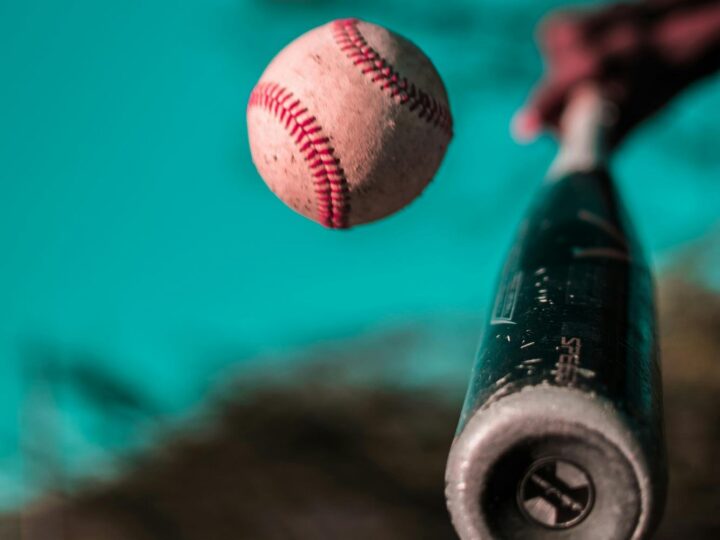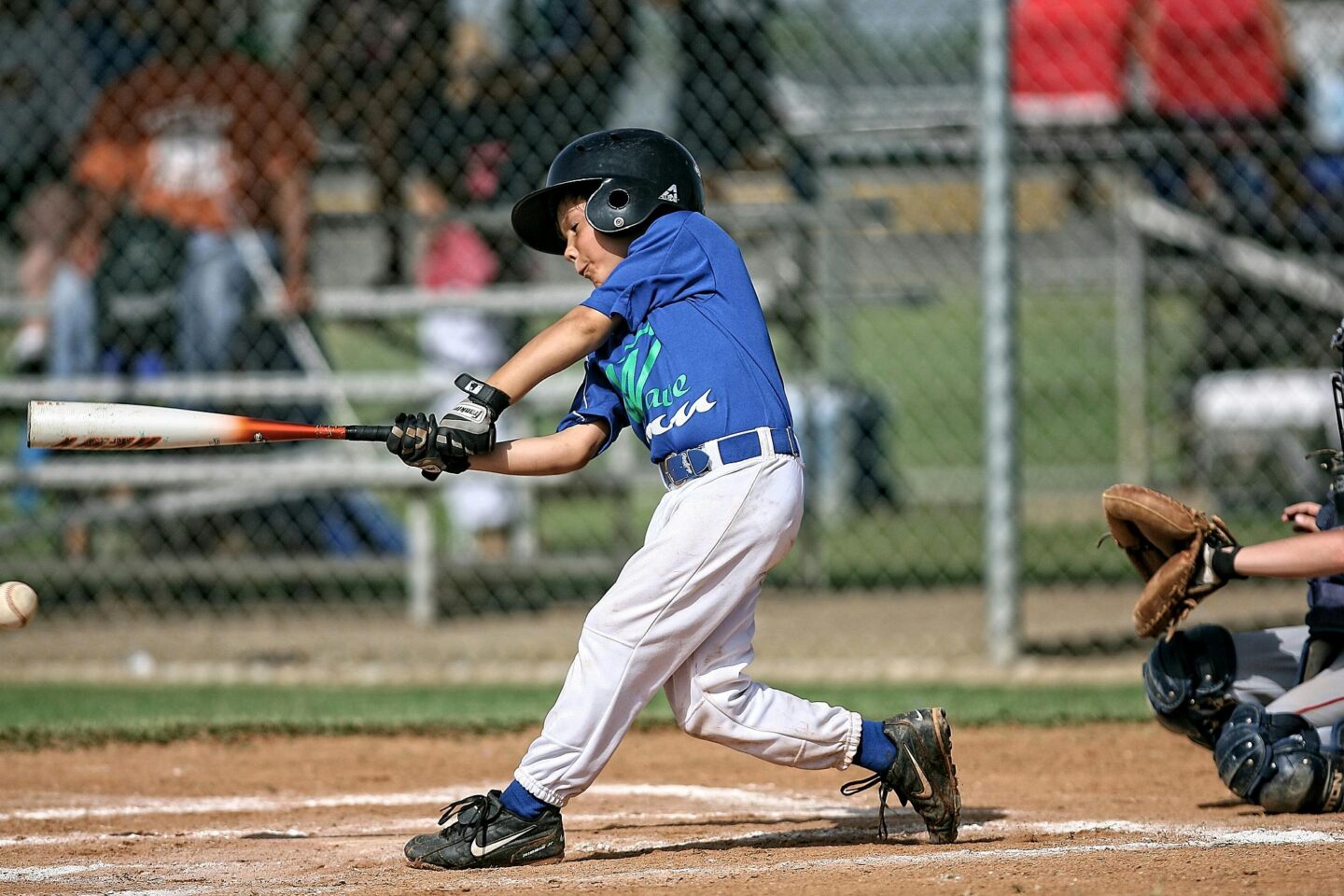
Open the garage of almost any youth baseball family and you will find the same graveyard. A dusty tee in the corner. A half-collapsed net. A bucket of scuffed balls nobody has touched since spring. The best baseball training tools for youth players in 2026 are not the ones you just buy. They are the ones your athlete actually uses, at the right age, with feedback that proves it is working. The setup that wins pairs a few physical staples with a measurement layer, so every rep in the driveway becomes progress you can track.
1. What Makes a Youth Training Tool Actually Worth It
Walk into any 10U practice and you will spot the pattern fast. A player loves a new tool for a week, then leaves it in the trunk. A youth training tool only earns its spot if it survives past that first week.
It gets used. The best tool is the one your athlete reaches for without being nagged. Simple beats fancy at 8 or 12 years old.
It matches the age. A regulation machine that fires 70 mph has no place with a second grader. Match the speed and weight to where your player is right now.
It gives feedback. A tool that only sends balls back tells you nothing. The tools that build real skill show what changed, so a good rep and a lucky one stop looking the same.
So buy for usage and feedback first. The logo on the box comes last.
2. Start Here: Tee, Net, and Safety Balls
Your 9-year-old wants to swing for the fences. You want a driveway that survives the season. Start with the staples that make daily reps possible at home.
A batting tee is the highest-value purchase you will make. It costs little, lasts years, and lets a player groove a swing path on their own time. Look for an adjustable, sturdy base that will not tip on a hard cut.
A hitting net turns any yard into a cage and keeps baseballs out of the neighbor’s window. A pop-up model sets up in under a minute, which matters when attention spans are short.
Safety balls let young players swing hard without fear. Foam and soft-core balls cut the sting, so an 8-year-old can take 50 cuts and stay confident. These pieces cover most at-home reps for ages 8–12, and they set the stage for the tool that measures those reps.
3. Get More Reps: Pitching Machines and Solo Hitting Tools
The most common complaint in youth baseball is simple: there is no one to throw to. A parent works late, a sibling has practice, and the bucket of balls sits full. Two tools solve that.
A youth pitching machine delivers consistent reps without a partner. For ages 8–12, choose a model that throws soft or lite balls in the 30–40 mph range, not a steel-wheel machine built for varsity. Consistency matters more than speed here, because a repeatable pitch lets a young hitter groove timing.
Solo hitting tools cover the days a machine is too much setup. A hitting stick or a soft-toss rebounder gives a player a way to get cuts in alone. Pair either with a tee and your athlete can train on a rainy afternoon without waiting on anyone. More reps only help if the reps are good ones, which is where measurement comes in.
4. The Measurement Layer: Blast Baseball Sensor
Here is the gap every hitting parent hits. Your player takes 100 swings, some feel great, and you still cannot say which ones were actually good. Feel lies. Data does not. That is the job of the Blast Baseball sensor.
Blast Baseball is a bat-mounted Gen 3 sensor that pairs with a mobile app. It clips to the knob of the bat and measures each swing: bat speed, attack angle, on-plane efficiency, connection, rotation, time to contact, and more. Instead of guessing, you get a number on every rep.
The part that fits youth players is Blast iQ. It scores each swing and flags focus areas in plain color code: green means keep it, yellow means watch it, red means fix it. A 10-year-old understands a red light. So does a parent who never played.
Blast also turns data into something a kid wants to open. Auto-edited video with metric overlays shows the swing next to the numbers. A 3D swing tracer draws the bat path in space. Air Swings track dry cuts in the living room, and Coach Mode lets an instructor review swings from anywhere.
This is not a toy dataset. Blast has captured 400M+ swings and is trusted by 300+ college and pro teams, including 83% of pro organizations. For a young player, that means the same feedback engine the pros use, scaled to their level.
Click here to shop Blast Motion
5. Train Pitch Recognition: WIN Reality TrainVR
Here is a scenario every travel coach knows. A hitter crushes the tee and the machine, then freezes against a live pitcher who mixes speeds. That is a recognition problem, not a swing problem. The bat sensor cannot fix it, and it was never meant to.
WIN Reality TrainVR fills that gap. On a Meta Quest headset, your athlete faces real pitchers throwing game-speed pitches in virtual reality and reps the one skill a tee cannot teach: reading a pitch out of the hand and deciding to swing. For a youth player who looks lost against live arms, VR delivers hundreds of at-bats without a single bus trip.
Think of the two as one system that works together. Blast measures and improves the swing itself. WIN Reality trains the eyes and the decision before the swing starts. Together they cover mechanics and recognition on the same development path.
6. Protect Young Arms: Safety and Arm-Care Tools
Nothing ends a youth season faster than a sore elbow that gets ignored. Weighted balls can build arm strength and clean up throwing mechanics, but only when they are used with restraint. Rushed volume is how young arms get hurt.
Keep it conservative. Start light, in the 2–4 oz range, and treat weighted throwing as skill work, not a max-effort contest. Hold the volume low and controlled, a small number of throws inside a structured plan. And never throw through soreness. Pain in a young arm means stop.
Pair the physical work with education. MLB and USA Baseball’s Pitch Smart program gives parents and coaches age-specific pitch counts and required rest guidelines built to prevent overuse injuries in young arms. Strong arms are built over seasons, so the smartest arm-care tool is a plan that keeps your athlete healthy enough to keep training.
7. Build an Age-Appropriate System: What to Actually Track
The fastest way to overwhelm a 10-year-old is to hand them a screen with 15 metrics. A screen full of numbers does not build a swing. For youth hitters ages 8–14, track a short list and ignore the rest until they are older.
Lead with Early Connection. It measures the relationship between the bat and body at the Transition Event, and the target is around 90 degrees, inside a healthy 80–105 degree window. Good connection is the foundation a repeatable swing is built on.
Next, watch Attack Angle, the up-or-down angle of the bat at impact. For most hitters the productive zone sits around 6–14 degrees, which produces line drives instead of choppers or pop-ups. Then track Time to Contact, how quickly the barrel gets to the ball, because quickness lets a young hitter wait longer and still catch up.
Hold off on chasing bat speed and rotational acceleration as headline numbers. They earn more weight in high school, where varsity bat speed typically lands in the 60–70 mph range. At the youth level, connection and timing come first. For a full breakdown of each number, read our guide to baseball swing metrics.
Supporting Resources
Keep learning with these guides:
Build the System, Then Track It
The best baseball training tools for youth are the ones that get used and measured. Build the base with a tee, a net, and safe balls. Add reps with a machine or a solo trainer. Put a measurement layer on top so those reps become progress. Start small, and let the data show your athlete they are getting better.